
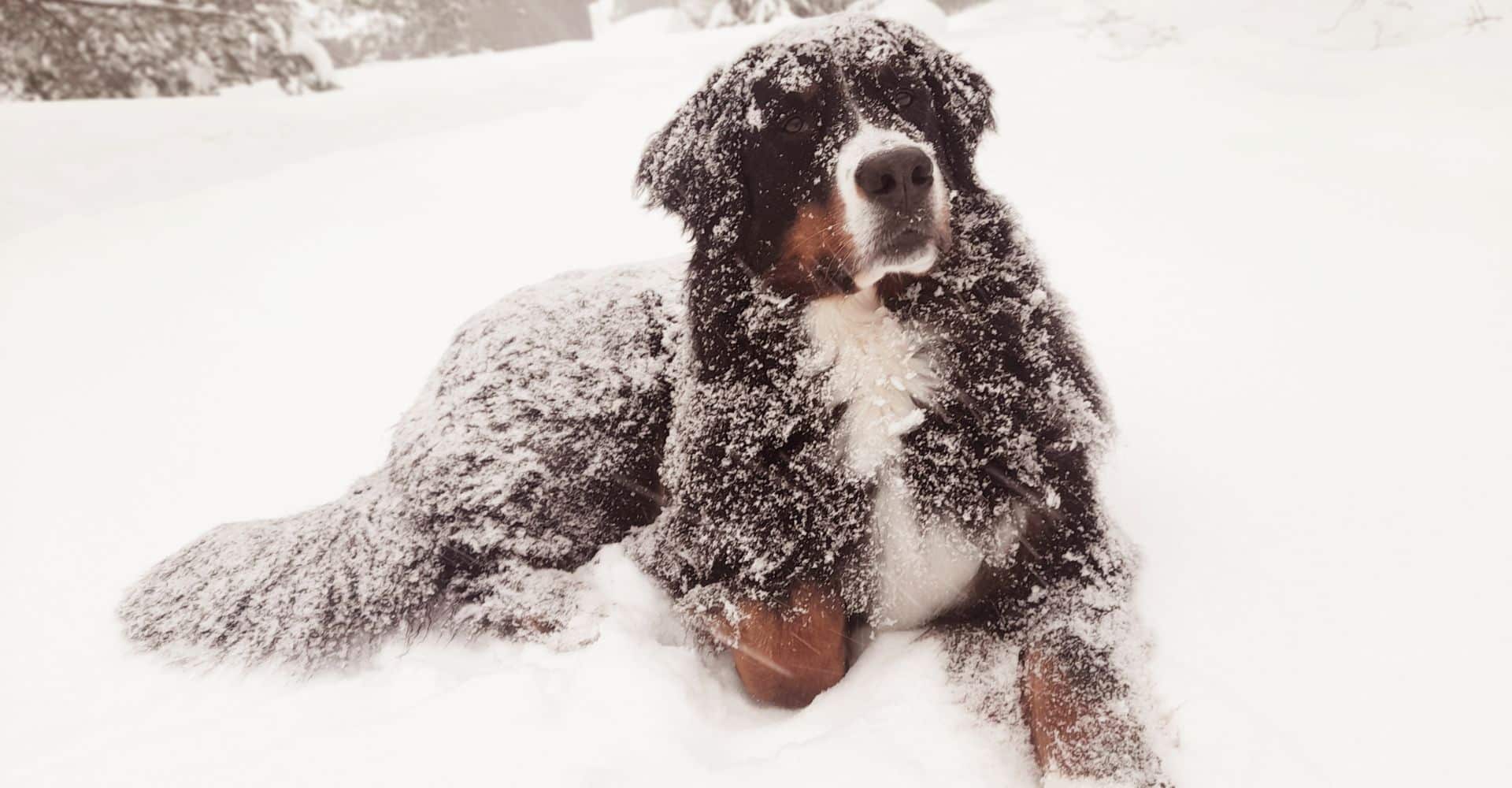
When the cold rolls in, most of us assume our pets get a break from itching… but their skin often has other plans. Winter isn’t as quiet as it looks, it just trades pollen for a new cast of microscopic troublemakers.
If your dog or cat is scratching more than a sunflower snagging sunlight, winter allergies may be the reason.
Why Pets Get Allergies in the Winter
- Indoor allergens rise
Closed windows trap dust mites, dander, and mold spores inside like unwelcome seasonal houseguests. - Dry air irritates skin
Heaters pull moisture out of the air, and suddenly your pet’s skin feels like a desert postcard. - More baths, more flare-ups
Holiday mud, cold-weather walks, bathing routines change, and so does the skin barrier.
Common Winter Allergy Signs
- Itchy paws or face
- Red, irritated skin
- Head shaking or ear infections
- Dandruff or flaky patches
- Chewing at the tail or legs
- Sneezing or runny eyes
If your pet is twitching like they’re conducting an invisible orchestra, it’s time for a checkup.
How We Diagnose & Treat It
We start with a thorough exam and rule out infections or parasites. Treatment may include:
- Medicated shampoos
- Anti-itch medications
- Omega-3 supplements
- Allergy control plans
- Environmental adjustments
A few small changes can turn a miserable season into a comfortable one.
When to Call Us
If your pet’s licking or scratching is keeping either of you awake, it’s time to seek relief. Winter should be for cozy naps, not constant itching.